





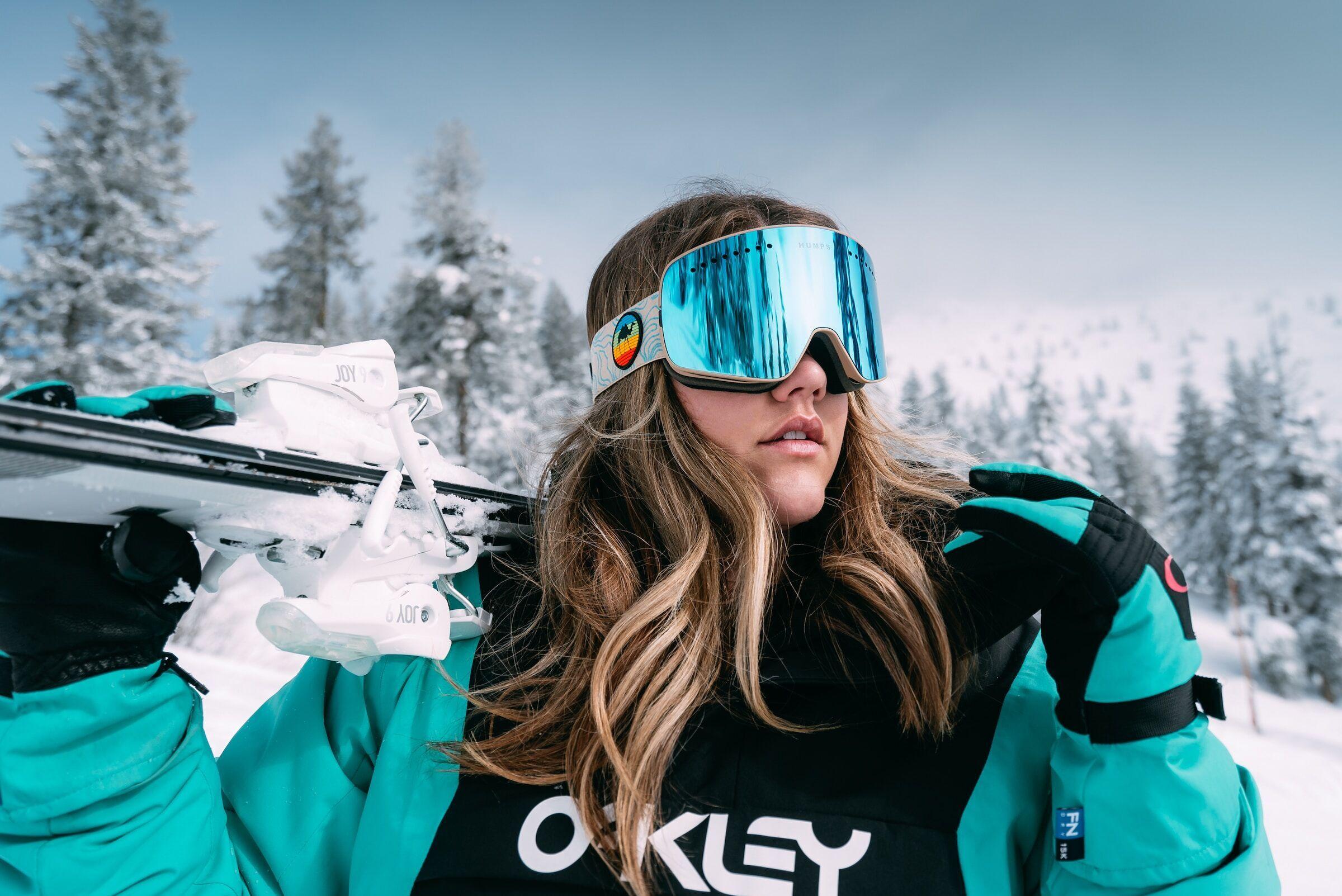
Wondering about all the different lens options for goggles when buying a new pair? So were we. We did a little research on what technology goes into making goggle lenses, as it is such an essential piece of equipment for so many different sports. Let's dive in to some of the advancements in goggle lens technology.

POC Lobes Clarity Goggles w. Extra Lens
Goggles are an important piece of equipment for skiers and snowboarders, protecting their eyes from the sun, wind, and other elements on the mountain. Over the years, technology has made great strides in improving goggle lens technology, making them clearer, more durable, and better equipped to provide skiers and snowboarders with optimal vision in a variety of conditions.
One major improvement in goggle lens technology has been in the development of polarized lenses. Polarized lenses are designed to reduce glare and improve visibility on the mountain, especially in bright and sunny conditions. This makes it easier for skiers and snowboarders to see the terrain and avoid obstacles, reducing the risk of accidents and injuries.

OPTIMUM POLARIZED AUTOMATIC PLUS GB (Zeal)
Another major improvement in goggle lens technology is the development of photochromic lenses. Photochromic lenses automatically adjust to changing light conditions, getting darker in bright light and lighter in low light. This is important because skiers and snowboarders often encounter a wide range of light conditions on the mountain, and photochromic lenses help to provide optimal vision in all conditions.

NFX2 LUMALENS PHOTOCHROMIC (Dragon)
One of the biggest advancements in goggle lens technology is the development of spherical lenses. Spherical lenses are designed to provide a wider field of vision and reduce distortion, making it easier for skiers and snowboarders to see the terrain and avoid obstacles. Additionally, spherical lenses are often designed with anti-fog technology, which helps to prevent lens fogging and ensures clear vision, even in changing weather conditions.

Improvements in lens materials and coatings have also played a significant role in improving goggle lens technology. Modern lenses are often made from high-quality materials, such as polycarbonate, which are more durable and scratch-resistant than older materials. Additionally, many lenses are now treated with coatings, such as anti-fog coatings, which help to improve lens performance and increase the overall durability of the goggles.

O-Frame® 2.0 L Replacement Lenses (Oakley)
Newer lenses are clearer, more durable, and better equipped to provide skiers and snowboarders with optimal vision in a variety of conditions. Additionally, the development of polarized lenses, photochromic lenses, spherical lenses, and advanced lens materials and coatings have made goggles more reliable and effective, providing skiers and snowboarders with greater peace of mind on the mountain. Skiers and snowboarders should invest in the latest goggle technology to ensure their safety and comfort on the slopes.
Pro Tip: We often travel the backcountry with multiple lenses for quick swap outs depending on changing conditions or if we get chronic fog in a certain pair. With big days in diverse conditions you'll be happy to have a couple of sets of lenses with you and possibly even a whole new, dry set of goggles if you're really going big.

Look for: Giro, POC, Smith, Oakley, Dragon, Zeal, Anon and Electric